Preventing Hair Loss: A Comprehensive Guide to Maintaining Your Crown
Hair loss can be a worrying problem. This article discusses the causes, symptoms, and comprehensive solutions to prevent hair loss, ranging from nutrition, proper hair care, to stress management and when to seek professional help. Protect your crown with this practical guide.
Hair is often referred to as the crown for every individual. Excessive hair loss, or known as hair loss, can be a worrying problem and affect self-confidence. This phenomenon is not just an aesthetic issue, but can also be an indicator of deeper health problems.
Understanding the root cause and implementing appropriate preventive measures is key. This article will thoroughly discuss various aspects of hair loss, from causes, symptoms, to practical solutions you can apply daily to maintain the health and strength of your hair.
Understanding Hair Loss: Causes and Root Problems
Hair loss is a natural process; every day, we lose about 50 to 100 strands of hair. This is part of the normal hair growth cycle. However, if the amount of hair loss far exceeds this number, and you notice thinning hair or bald spots, then it's a sign something is wrong.
Various factors can trigger excessive hair loss. Identifying the cause is the first step to finding an effective and targeted solution.
Genetic and Hormonal Factors
One of the most common causes is genetic factors, known as androgenetic alopecia or male/female pattern baldness. This condition is inherited from family and is characterized by gradual hair thinning that follows a specific pattern, such as a receding hairline or thinning on the top of the head.
Hormonal changes also play a big role. In women, hormonal fluctuations during pregnancy, childbirth, menopause, or conditions like polycystic ovary syndrome (PCOS) can trigger hair loss. Thyroid hormone imbalances, both hyperthyroidism and hypothyroidism, can also cause hair to become brittle and fall out.
Nutritional Deficiencies and Poor Diet
The body needs sufficient nutrients to maintain healthy hair. Deficiencies in protein, iron, zinc, and vitamins D and B complex (especially Biotin) can hinder hair growth and make it prone to falling out. Strict diets or unbalanced eating patterns are often the hidden causes of this problem.
For example, iron is crucial for hemoglobin production, which carries oxygen to hair follicles. Without enough oxygen, follicles cannot function optimally. Similarly, protein is the main building block of hair, so inadequate intake can weaken hair structure.
Physical and Emotional Stress
Stress, both physical and emotional, can have a significant impact on the hair growth cycle. Severe stress, such as after major surgery, serious illness, or emotional trauma, can lead to a condition called telogen effluvium. In this condition, a large number of hair follicles prematurely enter the resting phase, causing massive hair loss a few months later.
Chronic stress can also trigger inflammation on the scalp, disrupt blood circulation to hair follicles, and indirectly worsen hair loss. Managing stress is crucial in prevention efforts.
Certain Medical Conditions and Treatments
Some medical conditions, such as autoimmune diseases (e.g., alopecia areata, lupus), scalp infections (e.g., ringworm), or other skin disorders, can cause hair loss. Certain medical treatments, such as chemotherapy, radiation, or medications for high blood pressure, depression, and arthritis, also have hair loss as a side effect.
It is very important to consult a doctor if you suspect your hair loss is related to a medical condition or ongoing treatment. Proper diagnosis will pave the way for appropriate management.
Incorrect Hair Care and Lifestyle
The use of harsh hair care products, such as chemical dyes, straighteners, or perms, can damage the hair cuticle and cause brittleness. Hairstyles that are too tight, such as tight ponytails or braids, can also pull on hair follicles and cause traction alopecia, which is hair loss due to repeated pulling.
Smoking and excessive alcohol consumption can affect blood circulation and nutrient availability, indirectly impacting hair health. Lack of sleep can also disrupt hormone balance and worsen hair condition.
Symptoms and Related Conditions to Watch Out For
Hair loss is not always the same. Recognizing specific symptoms can help you determine the cause and next steps. Some common signs include:
- Gradual thinning of hair: This is the most common sign of male or female pattern baldness. Hair becomes thinner on the top of the head or the hairline begins to recede.
- Appearance of circular or uneven bald patches: This is often a sign of alopecia areata, an autoimmune condition where the immune system attacks hair follicles.
- Sudden hair loss: Occurs after physical or emotional shock, such as telogen effluvium. You may notice a handful of hair falling out when shampooing or brushing.
- Hair loss all over the body: Some medical conditions or treatments, such as chemotherapy, can cause hair loss not only on the head but also on other parts of the body.
- Itching, pain, or flaky scalp: This could be an indicator of fungal infection, seborrheic dermatitis, or other scalp conditions that trigger hair loss.
If you experience any of these symptoms significantly or accompanied by other worrying symptoms, it is highly recommended to seek medical advice.
Solutions and Ways to Overcome Hair Loss: Top Tips
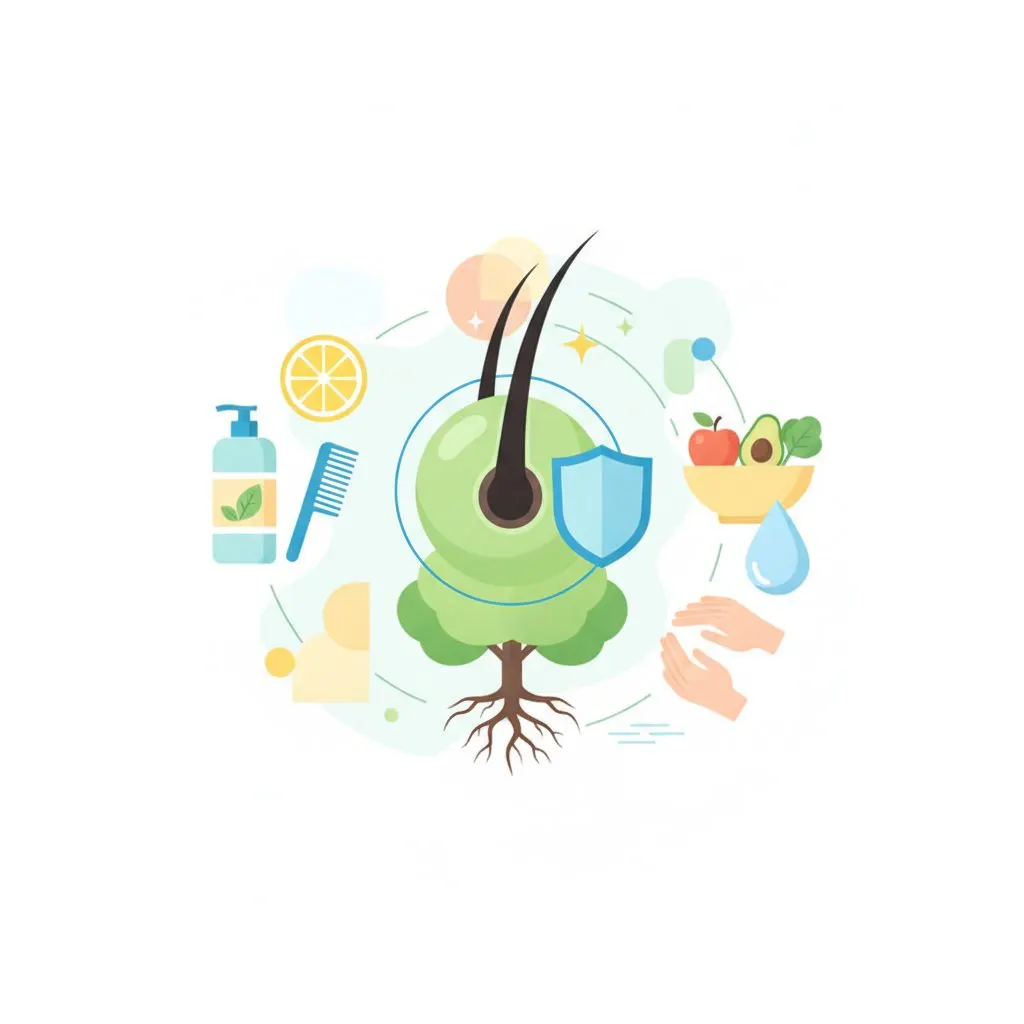
Preventing hair loss requires a holistic approach, combining internal and external care. Here are the top tips you can apply:
1. Balanced Nutrition and Appropriate Supplements
Diet is the foundation of hair health. Ensure you consume foods rich in essential nutrients:
- Protein: Lean protein sources like fish, chicken, eggs, beans, and dairy products are important for building keratin, the main protein that makes up hair.
- Iron: Found in red meat, spinach, lentils, and broccoli. Iron deficiency (anemia) is a common cause of hair loss in women.
- Zinc: Important for hair tissue growth and repair. Sources include oysters, beef, pumpkin seeds, and lentils.
- B Complex Vitamins (especially Biotin): Supports red blood cell production, which carries oxygen and nutrients to the scalp and hair follicles. Found in eggs, nuts, avocados, and sweet potatoes.
- Vitamin D: Plays a role in stimulating new hair follicles. Sunlight exposure and foods like fatty fish, mushrooms, and fortified milk are sources.
- Omega-3 Fatty Acids: Help keep the scalp healthy and reduce inflammation. Sources include salmon, mackerel, chia seeds, and walnuts.
If nutrient intake from food is insufficient, supplements can be an option, but it is best to consult a doctor or nutritionist first for the correct dosage and to avoid harmful excesses.
2. Gentle Hair Care Routine
How you treat your hair daily greatly affects its strength:
- Choose the Right Shampoo and Conditioner: Use sulfate- and paraben-free products formulated for hair loss or sensitive scalps. Avoid washing hair with water that is too hot, as it can strip the scalp's natural oils.
- Shampoo Gently: Massage the scalp with your fingertips while shampooing to improve blood circulation, not by rubbing too hard. Rinse thoroughly to avoid product residue.
- Dry Hair Carefully: Do not rub hair roughly with a towel. Pat gently or let it air dry. Avoid excessive use of hot styling tools (hair dryers, straighteners, curlers). If you must use them, apply a heat protectant first and set the temperature to low.
- Comb Hair Correctly: Use a wide-tooth comb or a brush with soft bristles. Start combing from the ends of the hair to detangle knots, then move upwards. Do not comb wet hair vigorously, as hair is more fragile when wet.
- Avoid Tight Hairstyles: Reduce the habit of tying or braiding hair too tightly, which can pull on hair follicles. Give your hair a break to breathe.
3. Manage Stress Effectively
Stress is a hidden enemy of hair health. Find effective ways to manage it:
- Meditation and Yoga: Breathing and relaxation exercises can help calm the mind and reduce stress hormone levels.
- Regular Exercise: Physical activity is not only good for the body but can also be an excellent stress reliever.
- Get Enough Sleep: Ensure you get 7-9 hours of sleep each night. Sufficient sleep allows the body to repair itself and balance hormones.
- Hobbies and Leisure Time: Make time for things you enjoy, such as reading, listening to music, or gardening. This helps shift your mind away from daily pressures.
4. Maintain Scalp Health
A healthy scalp is the foundation for strong hair. Pay attention to the following:
- Scalp Hygiene: Cleanse your scalp regularly to prevent the buildup of dirt, oil, and dead skin cells that can clog follicles.
- Scalp Massage: Gently massage your scalp for a few minutes each day. This can improve blood circulation to hair follicles, helping nutrients reach hair roots more efficiently.
- Scalp Exfoliation (if necessary): If you have dandruff or product buildup issues, gentle exfoliation with a specialized product can help cleanse the scalp. Do this no more than once a week.
5. Avoid Harsh Chemicals and Aggressive Styling
The use of strong chemicals on hair can cause long-term damage:
- Dyes and Straighteners: Limit the frequency of using chemical dyes, straighteners, or perms. If you must, choose products with gentler formulas and follow up with intensive treatments.
- Hair Extensions: Extensions can put excessive pressure on hair follicles, causing hair loss. If you use extensions, ensure they are installed by a professional and give your hair breaks.
When to Seek Professional Help?
While there are many preventive tips you can do yourself, there are times when you need to seek help from experts. If your hair loss:
- Occurs suddenly and severely.
- Is accompanied by itching, pain, redness, or a flaky scalp.
- Forms a worrying bald pattern or spreads rapidly.
- You feel very distressed or anxious due to hair loss.
Consult a general practitioner, dermatologist, or trichologist. They can help diagnose the exact cause and recommend more specific treatments, such as topical medications (minoxidil), oral medications (finasteride), low-level laser therapy, or even hair transplantation in certain cases.
Practical Daily Tips for Strong Hair
To keep your hair strong and prevent hair loss, integrate these healthy habits into your daily routine:
- Drink Enough Water: Good hydration is essential for the health of body cells, including hair follicle cells.
- Protect Hair from Sun: Excessive UV exposure can damage hair. Wear a hat or UV-protective products when spending extended time outdoors.
- Avoid Smoking and Limit Alcohol: These habits can restrict blood flow to the scalp and hair follicles, hindering healthy hair growth.
- Regular Trims: While not directly preventing hair loss, regular trims (every 6-8 weeks) can get rid of split ends and make hair look healthier and thicker.
Maintaining hair health is a long-term investment. With a good understanding of the causes of hair loss and consistent application of preventive tips, you can keep your crown strong, healthy, and beautiful. Remember, patience and consistency are the keys to your hair care journey.
Key Takeaways
- Prioritize a balanced diet rich in protein, vitamins, and minerals for strong hair follicles.
- Adopt a gentle hair care routine, avoiding excessive heat and harsh chemicals.
- Manage stress effectively through meditation, yoga, or hobbies to reduce its impact on the hair growth cycle.
- Maintain scalp health with regular cleanliness and massage to stimulate blood circulation.
- Consult a medical professional if hair loss persists or is accompanied by other worrying symptoms.
Frequently Asked Questions
What are the main causes of hair loss?
Hair loss can be caused by genetic factors, hormonal changes, nutritional deficiencies, excessive stress, incorrect hair product use, and certain medical conditions.
Can diet affect hair loss?
Yes, diet greatly affects it. Deficiencies in protein, iron, zinc, and vitamins B and D can weaken hair follicles and cause hair loss.
How often should I shampoo to prevent hair loss?
There is no definitive answer, it depends on hair and scalp type. However, shampooing too often or too infrequently can have an impact. Use a gentle shampoo and avoid very hot water. Generally, 2-3 times a week is sufficient for most people.
Can stress really cause hair loss?
Yes, chronic stress or severe acute stress (telogen effluvium) can disrupt the hair growth cycle, causing follicles to enter the resting phase and hair to fall out.
When should I seek professional help for hair loss?
If your hair loss is severe, occurs suddenly, is accompanied by scalp itching or pain, or you notice a worrying bald pattern, consult a doctor or dermatologist immediately for proper diagnosis and treatment.