
Complete Guide — Keeping Children Healthy and Flu-Free
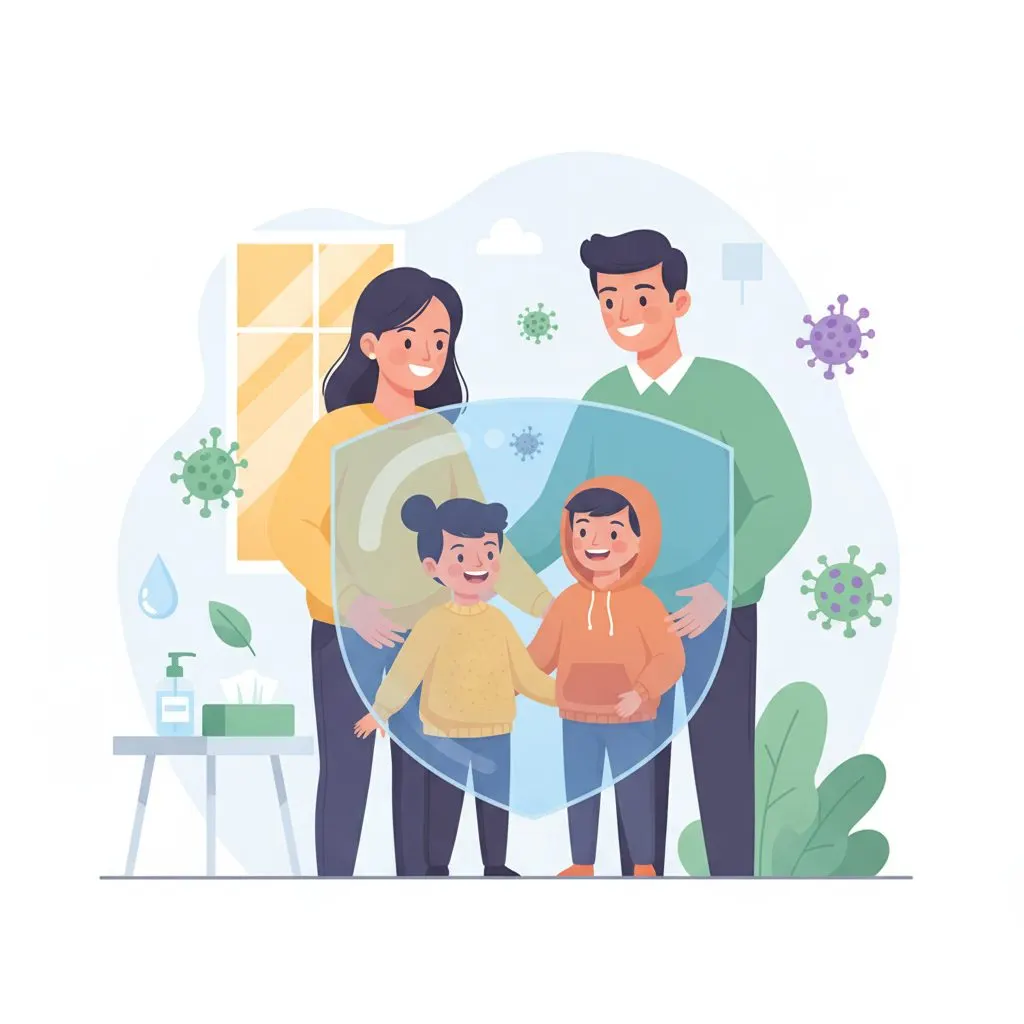
Protecting children from the flu is a priority. This article presents a complete and practical guide for parents, covering the causes of flu in children, symptoms to watch out for, and key prevention tips such as vaccination, hygiene, nutrition, and rest. It also offers treatment solutions if a child gets sick and daily advice for maintaining their immunity.
Flu, or influenza, is a respiratory illness caused by a virus. In children, flu can be more serious than in adults because their immune systems are still developing. As parents, keeping your child free from the flu is a top priority to ensure their optimal growth and development and that their daily activities are not disrupted.
This article will thoroughly discuss various aspects of flu prevention in children, from understanding its causes, recognizing symptoms, to implementing practical tips in daily life. With comprehensive and easy-to-apply information, you will be better prepared to protect your little one from the influenza virus that frequently circulates.
Understanding the Root Cause: Why Are Children More Susceptible to Flu?
Children are indeed more susceptible to the flu than adults. This is due to several key factors that make the virus more easily attack and spread among them. Children's immune systems are not yet fully mature, so they do not yet have "memory" against the various types of flu viruses that exist.
The transmission of the flu virus occurs through droplets or saliva splashes when an infected person coughs, sneezes, or talks. School or daycare environments become very effective means of spread due to intense physical interaction among children. Direct contact with surfaces contaminated with the virus, followed by touching the face without washing hands, also becomes a common transmission route.
Types of Flu Viruses and Transmission Seasons
Influenza viruses have several main strains, namely influenza A and B, which continuously mutate every year. This is why the flu vaccine needs to be updated regularly. In Indonesia, the flu season is not as specific as in four-season countries, but its peak often occurs during seasonal changes or the rainy season.
Understanding the characteristics of this virus helps us formulate more effective prevention strategies. Prevention is not just about avoiding the virus, but also about strengthening the child's natural defenses.
Recognizing the Enemy: Flu Symptoms in Children That Need Attention
Flu symptoms in children are often similar to the common cold, but they are usually more severe and can lead to serious complications. It is important for parents to be able to distinguish them so that treatment can be carried out quickly and appropriately. Flu symptoms generally appear suddenly.
Some common flu symptoms in children include high fever (often above 38 degrees Celsius), persistent dry cough, sore throat, muscle and joint pain, and headache. Children may also appear very tired or lethargic, lose their appetite, and experience a stuffy or runny nose.
In infants and toddlers, symptoms may be slightly different and harder to recognize. They can become more fussy, lethargic, refuse to eat or drink, and show signs of difficulty breathing. If your child experiences these symptoms, especially if they are severe or do not improve, contact a doctor immediately.
The Best Shield: Key Tips to Protect Children from the Flu
Prevention is the main key to keeping children from getting the flu. There are several crucial steps parents can take to build a strong "shield" for their little ones.
1. Annual Flu Vaccination
The flu vaccine is one of the most effective ways to protect children from the influenza virus. This vaccine works by training the child's immune system to recognize and fight the virus. Although it does not guarantee 100% flu-free, the vaccine can reduce the risk of severe illness, complications, and even hospitalization.
Health organizations recommend an annual flu vaccine for all children over 6 months of age. Talk to your pediatrician about the appropriate vaccination schedule. Vaccination is also important for other family members to create a safer environment for the child.
2. Strict Hand Hygiene
Handwashing is a simple yet very effective step to prevent the spread of germs, including the flu virus. Teach children to wash their hands regularly with soap and running water for at least 20 seconds.
When should hands be washed?
- After coughing or sneezing
- Before eating
- After playing outside
- After using the toilet
- After returning from school or public places
If soap and water are not available, use an alcohol-based hand sanitizer with an alcohol content of at least 60%.
3. Cough and Sneeze Etiquette
Teach children to always cover their mouth and nose with their inner elbow or a tissue when coughing or sneezing. This prevents the spread of virus droplets into the air and onto surfaces. Dispose of used tissues immediately in the trash and wash hands afterward.
Instilling these good habits from an early age will help children become more responsible for their own health and the health of those around them.
4. Balanced Nutrition and Adequate Hydration
A strong immune system starts with good nutrition. Ensure your child eats a balanced, nutritious diet rich in vitamins and minerals, especially vitamins C and D. Include plenty of fruits, vegetables, lean protein, and whole grains in their meals.
In addition, make sure your child drinks enough water throughout the day to stay hydrated. Good hydration helps keep mucous membranes moist, which are the first line of defense against viruses.
5. Sufficient Sleep and Rest
Adequate sleep is crucial for a healthy immune system. Children need more sleep hours than adults. Lack of sleep can weaken the immune system, making children more susceptible to infections.
Ensure your child has a regular sleep routine and gets adequate rest according to their age. For example, toddlers need 11-14 hours of sleep per day, while school-aged children need 9-11 hours.

6. Avoid Crowds and Sick People
As much as possible, avoid taking children to crowded places, especially during flu season. If a family member or friend is sick, ask them to keep their distance or postpone visits until they have fully recovered. This is a simple yet effective preventive measure.
Solutions and How to Cope If Your Child Catches the Flu
Even if all preventive measures have been taken, sometimes children can still catch the flu. Don't panic. There are several steps you can take to help your child feel more comfortable and speed up their recovery.
1. Complete Rest
Ensure your child gets enough rest at home. Rest helps the body allocate energy to fight the infection. Keep your child away from school or daycare so they don't infect their friends and so they can focus on recovery.
2. Sufficient Fluids
Give plenty of fluids such as water, fruit juice, warm soup, or broth. Fluids help prevent dehydration, thin mucus, and soothe a sore throat. Avoid excessive sugary drinks or caffeine.
3. Symptom Relief Medication (As Recommended by a Doctor)
To relieve fever and pain, you can give paracetamol or ibuprofen according to the dosage recommended by a doctor or on the packaging. Never give aspirin to children under 18 years of age due to the risk of Reye's syndrome. Also, avoid over-the-counter cough and cold medicines for children under 2 years of age without consulting a doctor.
4. When to See a Doctor?
Take your child to the doctor immediately if they show warning signs such as difficulty breathing, high fever that does not subside, bluish lips or skin, severe chest or abdominal pain, dehydration, or changes in mental status (e.g., extreme lethargy or difficulty waking up). Infants under 3 months of age with a fever should be seen by a doctor immediately.
Practical Daily Tips for Parents
Creating an environment that supports a child's health is the best investment. Here are some practical tips you can implement every day:
- Maintain Home Hygiene: Clean and disinfect frequently touched surfaces, such as doorknobs, light switches, and toys. This helps reduce the spread of germs.
- Teach Independence: Involve children in the process of maintaining personal hygiene. Teach them how to wash their hands properly and cough/sneeze etiquette from an early age. Make it a fun habit.
- Prepare Healthy Lunches: If your child goes to school, prepare nutritious meals from home. This ensures they get adequate nutrient intake and reduces the risk of unhealthy snacking that may be unhygienic.
- Limit Screen Time, Increase Physical Activity: Encourage children to play outdoors (weather permitting) or engage in other physical activities. Regular physical activity can boost the immune system. Limit screen time so they get enough rest.
- Be a Role Model: Children learn from their parents. Demonstrate your own healthy habits, such as washing hands, eating nutritious food, and exercising. This will be the best inspiration for them.
Keeping children free from the flu requires attention and consistency, but the results are well worth it. By consistently applying the tips above, you not only protect your child from the flu but also build a strong foundation of health for their future. Remember, a child's health is a priceless long-term investment. Stay vigilant, stay proactive, and enjoy every moment with your healthy and cheerful little one.
Key Points
- Annual flu vaccination is the primary shield for children over 6 months old.
- Strict handwashing habits and cough/sneeze etiquette are crucial for preventing virus spread.
- Balanced nutrition, adequate rest, and sufficient hydration naturally strengthen a child's immune system.
- Avoid crowds and contact with sick people, and maintain the cleanliness of the home environment.
- Recognize serious flu symptoms and do not hesitate to seek medical help if the child's condition worsens.
Frequently Asked Questions
When is the best time for a child to get the flu vaccine?
The flu vaccine is recommended for all children over 6 months of age annually. Talk to your pediatrician for the most suitable schedule.
How can I tell the difference between the flu and a common cold in children?
Flu symptoms in children are generally more severe than a common cold, including high fever (above 38°C), dry cough, muscle aches, headache, and extreme fatigue. Colds tend to be milder with a runny nose and sneezing.
When should I take my child to the doctor if they have the flu?
If your child experiences difficulty breathing, a high fever that doesn't go down, bluish lips, severe chest pain, dehydration, or extreme lethargy, take them to the doctor or emergency room immediately.
Is handwashing alone enough to prevent the flu in children?
Yes, hand hygiene is one of the most effective methods. Teach children to wash their hands with soap and water for at least 20 seconds, especially after coughing/sneezing and before eating.
Besides the vaccine, what are the most important flu prevention steps for children?
Besides vaccination, ensure children eat a balanced, nutritious diet, get enough rest, are physically active, and avoid contact with sick people. Maintain the cleanliness of the home environment and teach cough/sneeze etiquette.