
The Secret to Longevity — Adopting Japanese Healthy Eating Tips for a Fitter Life
Learn the secrets to longevity and optimal health from the Japanese diet. This article discusses the Hara Hachi Bu philosophy, the importance of whole foods, healthy cooking techniques, and how to adopt these habits to prevent diseases and improve your quality of life.
Amidst the hustle and bustle of the fast-paced modern lifestyle, many of us often overlook the importance of a healthy diet. As a result, various health problems lurk, ranging from obesity to chronic diseases. However, there is one country known for having the highest life expectancy and relatively low rates of chronic diseases: Japan.
Their secret lies in a philosophy and eating habits that have been passed down through generations. It's not just a diet, but a lifestyle that emphasizes balance, simplicity, and appreciation for food. Let's dive into Japanese-style healthy eating tips that we can apply in our daily lives.
Key Principles of Japanese Healthy Eating
Japanese eating patterns are not just about what is eaten, but also how it is eaten. The key is balance and variety, ensuring the body receives complete nutrition without overconsumption.
One famous philosophy is Hara Hachi Bu, which means eating until 80% full. This is an ancient principle from Okinawa, one of the world's "Blue Zones" known for its long-lived population. This practice teaches us to listen to our body's signals and stop eating before we are completely full, preventing excess calories and giving the brain time to process the feeling of satiety.
Whole Foods as the Foundation
The Japanese diet highly prioritizes whole, minimally processed foods. Fish, vegetables, rice, soybeans, and green tea are the main pillars. Fish, especially those rich in omega-3 fatty acids like salmon and mackerel, are consumed regularly. Omega-3s are known to be good for heart and brain health, and have anti-inflammatory properties.
Dark leafy greens and root vegetables are served in every dish, providing abundant vitamins, minerals, and fiber. Meanwhile, rice is the primary complex carbohydrate, often served in small portions. Fermented soybean products like miso and natto also play an important role, supporting digestive health thanks to their probiotic content.
Healthy Cooking Techniques
Unlike many cuisines in other countries that often use deep-frying techniques, Japanese cuisine more frequently relies on light cooking methods. Steaming, boiling, grilling, or light stir-frying are the primary choices. This helps preserve the natural nutrients in the ingredients and minimizes the addition of unnecessary fats or calories.
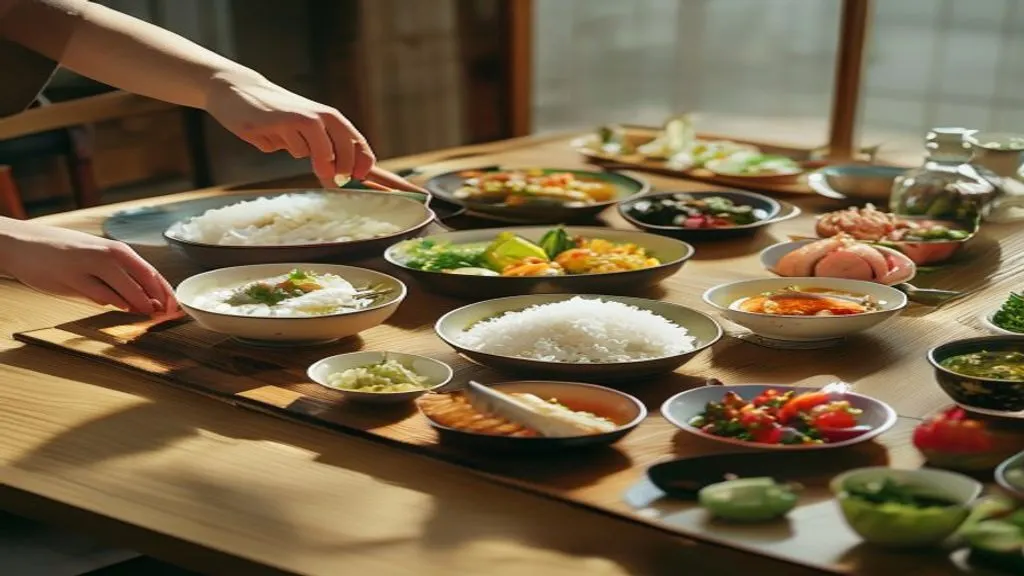
The use of seasonings is also minimalist, focusing on the original flavors of the ingredients. Dashi (fish and seaweed broth) is the base of many dishes, providing a rich umami flavor without the need for excessive salt or added fat. This is a stark contrast to modern diets that are often high in salt, sugar, and saturated fat.
Root Causes and Solutions from a Japanese Perspective
In Indonesia, health problems such as obesity, type 2 diabetes, and heart disease are increasingly prevalent. These are often rooted in imbalanced eating patterns: high in sugar, salt, saturated fat, and large portions. Processed foods, sugary drinks, and unhealthy eating out habits are the main triggers.
In contrast, the Japanese diet inherently "fights" these root causes. With smaller portions, an emphasis on whole foods, and healthy cooking techniques, they automatically reduce excess calorie intake, unhealthy fats, and sugar. The "Hara Hachi Bu" philosophy is the first line of defense against overeating habits.
Negative Impacts of Modern Diets
High-calorie, low-nutrient diets common in many countries, including Indonesia, can lead to various symptoms and conditions. Weight gain, unstable blood sugar levels, high blood pressure, high cholesterol, and chronic fatigue are some of them. In the long term, the risk of heart disease, stroke, diabetes, and even some types of cancer increases significantly.
The Japanese diet, with its abundance of fiber from vegetables and complex carbohydrates, quality protein from fish, and probiotics from fermented foods, effectively helps maintain ideal body weight, stabilize blood sugar, and reduce inflammation in the body. This is a holistic approach to disease prevention.
Adopting Japanese Habits for a Healthier Life
There's no need to completely change our culinary identity. We can adopt the main principles of the Japanese diet. Start by gradually reducing portion sizes. Instead of a full plate, use smaller bowls or plates. Pay attention to your body's satiety signals.
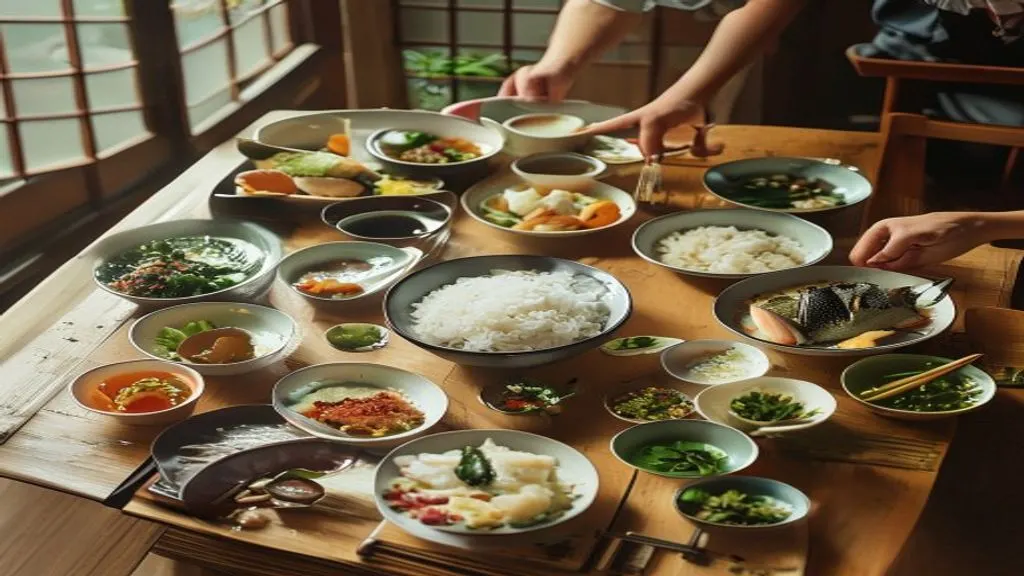
Prioritize whole foods. Replace processed snacks with fresh fruits or nuts. Add more vegetables to every meal. If possible, replace white rice with brown rice or other whole grain varieties for more fiber. For protein, consider consuming fish or tofu/tempeh more often, which are good sources of plant-based protein.
Practical Implementation in Daily Life
Dietary transformation doesn't have to be drastic. Start with small, consistent changes. Here are some practical suggestions you can implement:
- Breakfast: Replace sweet white bread with a bowl of unsweetened oatmeal, or boiled eggs with avocado slices. If you want to try the Japanese style, miso soup with tofu and seaweed, along with a little rice and grilled fish, is a very nutritious option.
- Lunch and Dinner: Focus on a balanced plate. Half the plate for vegetables (raw or steamed), a quarter of the plate for protein (fish, skinless chicken, tofu, tempeh), and a quarter of the plate for complex carbohydrates (brown rice, sweet potato, potato).
- Healthy Snacks: Avoid fried foods and sweets. Choose fruits, a handful of nuts, plain yogurt, or unsweetened green tea. Green tea is rich in antioxidants and can help boost metabolism.
- Hydration: Drink enough plain water throughout the day. Reduce sugary and carbonated drinks. Green tea can also be a healthy drink alternative.
Here is an example of a daily menu comparison you can consider:
| Meal Time | Common Diet (Indonesia) | Japanese Healthy Diet (Adaptation) |
|---|---|---|
| Breakfast | Fried rice/instant noodles, sweet tea | Brown rice, small grilled fish, stir-fried vegetables, green tea |
| Lunch | Rice + fried side dishes, sweet iced tea | Brown rice, miso soup, vegetable salad, steamed/grilled fish |
| Dinner | Rice + coconut milk/spicy side dishes, crackers | Brown rice, braised tofu/tempeh, boiled/steamed vegetables |
| Snack | Fried snacks, sweet cakes, packaged drinks | Cut fruit, edamame, unsweetened green tea |
Remember that change takes time and patience. Don't be discouraged if you occasionally "stray." The most important thing is consistency and the intention to continuously improve your eating habits. By adopting the principles of Japanese healthy eating, you are not only investing in your physical health, but also in a better quality of life and a more meaningful long life.
Key Takeaways
- Apply the Hara Hachi Bu philosophy: eat until 80% full to avoid overeating.
- Prioritize whole foods: fish, diverse vegetables, rice, and fermented soybean products.
- Use healthy cooking techniques: steam, boil, grill, or light stir-fry, avoid deep-frying.
- Vary food and small portions: enjoy a variety of nutrients in each meal.
- Pay attention to hydration and healthy snacks: choose plain water/green tea and fruits.
Frequently Asked Questions
What is Hara Hachi Bu and why is it important in the Japanese diet?
Hara Hachi Bu is an ancient Okinawan eating philosophy that means eating until 80% full. Its purpose is to prevent overeating and allow the body time to process satiety signals, thus helping to control weight and calorie intake.
What are the main types of food in a Japanese healthy diet?
The Japanese diet emphasizes whole foods such as omega-3 rich fish, various vegetables, rice as a complex carbohydrate, and fermented soybean products like miso and natto. They also use healthy cooking techniques such as steaming, boiling, and grilling.
How can I adapt the Japanese diet into my daily eating habits?
You can start by reducing portion sizes, replacing processed snacks with fruits, adding more vegetables to every meal, and choosing healthier cooking methods like steaming or boiling instead of frying. Prioritize fish and plant-based proteins.
What are the main health benefits of following Japanese healthy eating tips?
The Japanese diet, rich in fiber, quality protein, and low in saturated fat, can help maintain ideal body weight, stabilize blood sugar, and reduce the risk of chronic diseases such as diabetes, heart disease, and stroke. It also supports digestive health.
Are there other factors besides food that contribute to the longevity of Japanese people?
Besides food, the Japanese lifestyle also emphasizes physical activity, adequate sleep, and stress management. All these factors contribute to overall health and longevity, complementing the benefits of a healthy diet.