Ambitious Revitalization of Jakarta's Public Schools in 2026 — Weaving Center-Region Synergy for Inclusive Education

DKI Jakarta is preparing to launch an ambitious Public School Revitalization program in 2026, focusing on central-regional government synergy to create inclusive education. This program aims to address infrastructure challenges, quality disparities, and improve access and quality of primary education in the capital, supported by a budget of Rp 520 billion.
Jakarta faces a major challenge in ensuring every child has access to quality education. With rapid population growth and persistent socio-economic disparities, the need for adequate and high-quality educational facilities is becoming increasingly urgent. The DKI Jakarta Provincial Government, in collaboration with the central government, is preparing to launch an ambitious Revitalization of People's Schools program, with a target completion by the year 2026.
This initiative is not merely about physical improvements but a grand vision to create an inclusive educational ecosystem that can reach all segments of society. The program is expected to be a milestone in efforts to improve the quality of basic education in the capital, while also reducing access gaps that have long been a homework item.
Background and Urgency of Revitalization
People's Schools, which were once the backbone of basic education in Indonesia, now require modernization to remain relevant to the demands of the times. Many schools face aging infrastructure problems, inadequate facilities, and curricula that need adaptation to prepare the younger generation for global challenges.
Educational Challenges in Jakarta
DKI Jakarta, as the epicenter of economy and politics, also holds a complex picture of educational problems. Population density often leads to overcrowded classrooms, lack of open spaces, and pressure on educators. Furthermore, the quality gap between schools in the city center and those in the outskirts remains a crucial issue requiring serious attention.
Data shows that several areas in Jakarta still have suboptimal school participation rates, especially among vulnerable groups. This is a strong indicator that a more comprehensive and inclusive approach is greatly needed to ensure no child is left behind from quality education access.
Inclusive Vision 2026
This revitalization program carries an inclusive education vision as its core philosophy. This means schools will not only be physically improved but also equipped with facilities and programs that are friendly to children with special needs, as well as curricula that promote tolerance and diversity. The 2026 target is set as a realistic deadline to see the significant impact of this program, especially in equalizing access and improving the quality of teaching and learning.
Program planners emphasize that inclusivity is not just about physical access but also about creating a supportive and adaptive learning environment for every student, regardless of their background or condition. This includes enhancing teachers' capacity to manage diverse classrooms and developing relevant teaching materials.
Central-Regional Synergy: The Main Pillar of the Project
The success of a program of this magnitude heavily relies on close collaboration between the central and regional governments. This synergy covers aspects of funding, policy formulation, to on-the-ground implementation. Without strong support from both parties, this revitalization ambition will be difficult to achieve.
Role of the Central Government
The central government, through relevant ministries such as the Ministry of Education and Culture and the Ministry of Public Works and Public Housing (PUPR), plays a vital role in providing financial and technical support. Joint funding schemes, including the allocation of Special Allocation Funds (DAK) for education, are the primary instruments. Additionally, the central government will provide a national policy framework supporting inclusive education, as well as technical assistance in curriculum development and teacher training.
An official from the Ministry of Education emphasized the importance of quality standardization. "The central government will ensure that the quality standards for construction and revitalized facilities are in line with modern educational needs," he stated in an internal discussion. This includes building standards, digital facilities, and the availability of learning resources.
Contribution of the DKI Jakarta Provincial Government
The DKI Jakarta Provincial Government holds the primary executor role on the ground. This includes identifying schools to be revitalized, acquiring additional land if necessary, detailed project planning, and direct supervision of construction and renovation processes. The provincial government is also responsible for providing regional budgets, coordinating with local communities, and developing supporting programs for the project's sustainability.
The Head of the DKI Jakarta Education Agency expressed full commitment. "We have prepared a special team to ensure this project runs according to schedule and budget. We will also prioritize the involvement of the community and school committees to ensure the program's relevance to on-the-ground needs," he asserted. The focus is also on efficiency and transparency in every project stage.
Implementation Mechanism and Targets
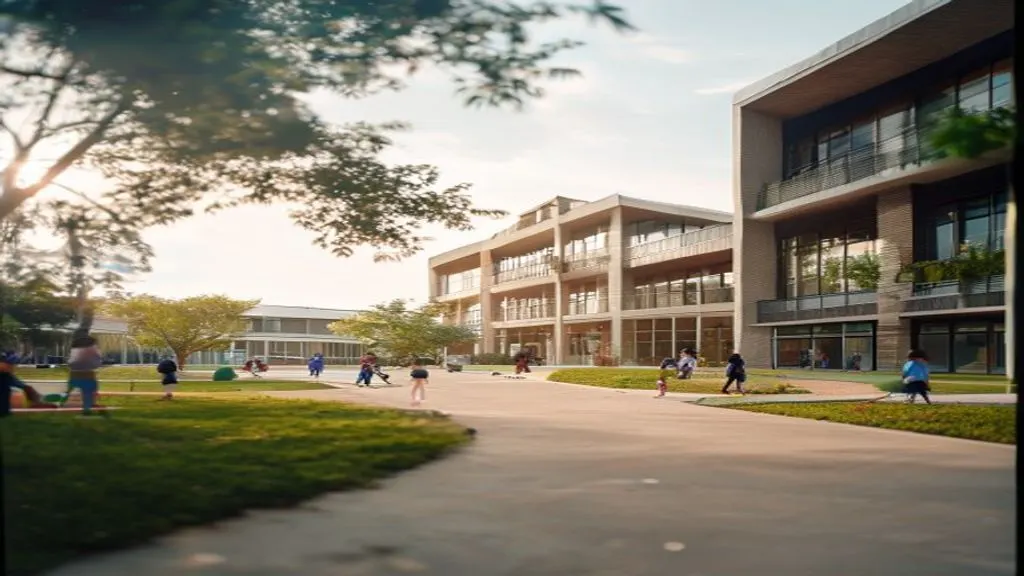
This revitalization program will be implemented in stages, with priority given to schools most in need of infrastructure improvements and facility upgrades. A joint team from the central and regional governments has been formed to monitor progress and address any potential obstacles.
Revitalization Stages
The revitalization process will begin with a comprehensive audit of the physical condition of schools, followed by the development of a master plan, permitting process, to the execution of construction and procurement of new facilities. Teacher and staff training will also be an integral part of these stages, ensuring human resource readiness in managing the updated learning environment.
Budget Allocation and Resources
To support this ambitious project, an estimated budget of Rp 520 billion has been allocated, sourced from the State Budget (APBN) and the DKI Jakarta Regional Budget (APBD). This budget will be used for physical construction, procurement of infrastructure, and human resource capacity building programs. Here is an estimated allocation breakdown:
| Program Stage | Duration (Months) | Estimated Budget (Billion Rupiah) |
|---|---|---|
| Planning & Feasibility Study | 6 | Rp 25 |
| Permitting & Land Acquisition | 9 | Rp 50 |
| Construction & Renovation | 18 | Rp 350 |
| Infrastructure Procurement | 6 | Rp 75 |
| Teacher & Staff Training | 4 | Rp 20 |
These figures demonstrate the government's serious commitment to long-term investment in education. Transparency in budget utilization is a primary focus to avoid misuse and ensure every rupiah is used effectively.
Impact and Hopes for Inclusive Education
The revitalization of People's Schools is expected to bring transformative impacts to the educational landscape in Jakarta. Improved infrastructure and facilities will create a more comfortable and conducive learning environment, while the focus on inclusivity will ensure every child has an equal opportunity to develop.
Increased Access and Quality
With better facilities, including accessibility for children with special needs, school participation rates are expected to increase. Teaching quality will also be elevated through continuous teacher training and the availability of modern educational technology. This will reduce the burden on students and teachers, creating a more interactive and effective teaching and learning process.
Ultimately, graduates from revitalized schools are expected to have better competencies, ready to compete at the next educational level or in the job market. This is a long-term investment for the future of Indonesia's human resources.
Community and Stakeholder Response
This program has received positive responses from various parties, including civil society organizations, education observers, and parents. They hope that the program will not only stop at physical development but also be followed by the strengthening of the overall educational ecosystem, including the active participation of parents in their children's education.
Some education observers also suggest that the program should be continuously evaluated periodically, involving the active participation of students themselves, to ensure that their needs and aspirations are accommodated in school development.
Challenges and Future Prospects
Despite the prevailing optimism, the implementation of this revitalization program is not without challenges. Complex inter-agency coordination, potential bureaucratic issues, and fluctuations in construction material prices can be obstacles. However, with strong commitment from the central and regional governments, and community support, these challenges are expected to be overcome.
The future prospects are very bright. If successful, this program will not only improve the quality of education in Jakarta but can also serve as a model for other regions in Indonesia. The inclusive education vision it carries is expected to create a generation of successors who are smarter, more competent, and empathetic.
The revitalization of People's Schools in DKI Jakarta in 2026 is a concrete manifestation of the nation's commitment to the future of education. Synergy between the central and regional governments, supported by active community participation, is the key to realizing this grand ambition. A step forward towards a smarter and more inclusive Indonesia.
Key Points
- The DKI Jakarta People's School Revitalization Program targets completion in 2026 to create more inclusive and quality education.
- This project emphasizes strong synergy between the central government and the DKI Jakarta Provincial Government in terms of funding, policy, and implementation.
- A budget of Rp 520 billion is allocated for physical development, infrastructure procurement, and human resource capacity building.
- The main focus is on improving accessibility, facility quality, and developing adaptive curricula to accommodate student diversity.
- This revitalization is expected to become a national model for equitable and improved quality of basic education.
Frequently Asked Questions
What is the main objective of the People's School Revitalization program in DKI Jakarta?
The People's School Revitalization program in DKI Jakarta aims to modernize primary school infrastructure and facilities, improve the quality of education, and realize a more inclusive education system for all segments of society, including children with special needs.
When is this revitalization program targeted for completion and what are its stages?
This program is targeted for completion in 2026. Stages include planning, permitting, construction, infrastructure procurement, and teacher training.
Why is synergy between the central and regional governments crucial for this project?
Synergy between the central and regional governments is very important as it involves the division of roles in funding (APBN and APBD), national policy formulation, technical support, detailed project planning, and direct supervision on the ground. This collaboration ensures the program's efficiency and effectiveness.
What is meant by 'inclusive education' in the context of this program?
Inclusive education means creating a friendly and adaptive learning environment for every student, regardless of their background or physical/mental condition. This includes accessible facilities, relevant curricula, and teachers trained to manage diverse classrooms.
What is the total budget allocated for this revitalization program?
The total estimated budget for this program reaches Rp 520 billion, allocated from the State Budget (APBN) and the DKI Jakarta Regional Budget (APBD).